06.06.2010
June 6, 2010

One of the most difficult things to find in Tokyo is a really deep collections of writing on graphic design in English. It’s one of those dark holes in consumer friendliness that is totally understandable, given that English isn’t the native language.
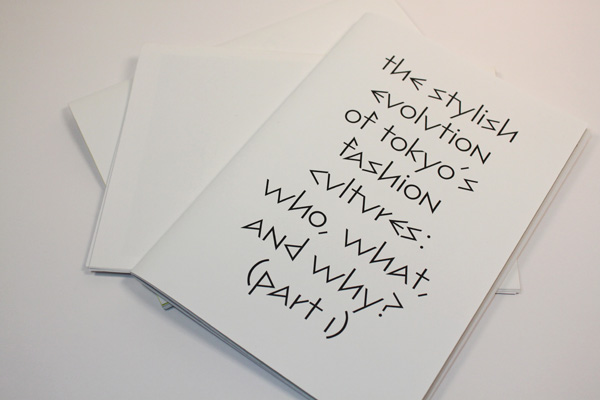
As a stopgap measure, I’ve put together 3 volumes of copies of design history, criticism, and theory titled “Design Research – Additional Reading” and put it on reserve in the Temple University Japan Library. The three volumes cover a lot of ground – from Adolf Loos to Robert Brownjohn, John Ruskin to Rick Poynor. Copious copies of articles from graphic design books, publications, and pamphlets are within. If you have the time and inclination, as well as a penchant for reading blobby xeroxed stuff, it’s at least one more resource.
06.03.2010
June 3, 2010

For the past few months I’ve been working on a 100-page feature of IDEA Magazine called Critical Mass, an inquiry into contemporary critical practices in graphic design. Critical Mass features interviews with Mark Owens, Zak Kyes, Jon Sueda, Brian Roettinger, Daniel Eatock, Scott Ponik, Michael Worthington, Yasmin Khan, and Metahaven; looks at the books Forms of Inquiry, Wonder Years, and Iaspis Forum on Design and Critical Practice: The Reader; and new essays by myself and Los Angeles-based designer/writer Randy Nakamura.
This new issue will be released shortly. Here’s a sneak peek at one of the pieces within, an essay called Subterranean Modernism: A Critical Retrospective that I co-authored with Randy Nakamura:
The idea of “oppositionality” is mostly anathema to graphic designers today. Designers may speak of “criticality” or “inquiry” but the notion of rejection is absent. Designers prefer the idiom of choice and preference. If one had to choose a ground zero for a prototypical critical design practice for the past decade it would have to be the Arnhem-based Werkplaats Typografie (WT). Part school, workshop and meeting place, the Werkplaats sees itself as fostering a kind of critical design practice “by the position which the designer adopts in relation to the world at large – the social, political or technological developments taking place in contemporary society.”
The origins of this kind of design practice might be found in a variety of modernism that is a bit more underground and quieter, a “subterranean modernism”. It emerged from the post-World War II era, but its proponents were not the European emigres in New York City or canonical modernists of the International Style in Europe. They were the more peripheral and less well known British designers Norman Potter (1923−1995) and Anthony Froshaug (1920−1984). Both are less ideological than their predecessors, in many ways they can be understood as an inflection point between modernism and postmodernism. They had a preference for process, the subjective, and the local. There was an assertion of the poetic, not through the unconsciousness or deliberately nihilist assaults on aesthetics and society, but by an attention to reason, craft, and materiality. The spheres of design were not advertising agencies or large corporate studios, but print shops, schools, museums and cultural clients. A distinct bias can be seen towards the typographic, the book, and the reader. They were more communitarian in spirit than reformist, sustaining certain traditions, but far from hidebound. It was the reign of the idiosyncratic, not the revolutionary. If this was modernism, it was a modernism devoid of master narratives, though inflected with a way of working that are humanist and craft-centered…
Upswell
May 30, 2010
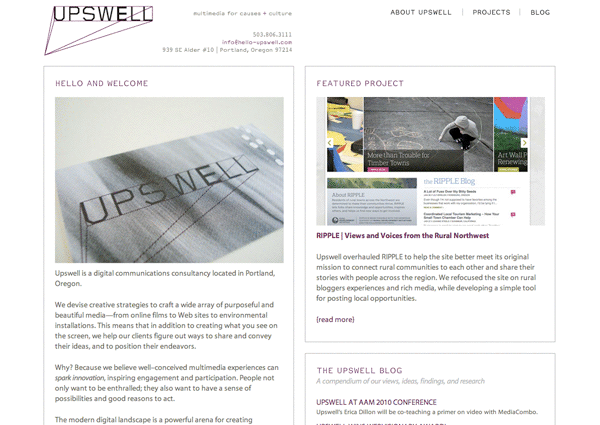
オレゴン州ポートランドのデジタルコミュニケーション会社、Upswellの新しいウェブサイト。
Upswellを運営するエリカとアルマンドは、ウェブサイトとアイデンティティデザインを全面的に任せてくれる傍らで、非常に有益かつ思慮深い意見を投げかけてくれる理想的なビジネスパートナーである。
05.30.2010
May 30, 2010
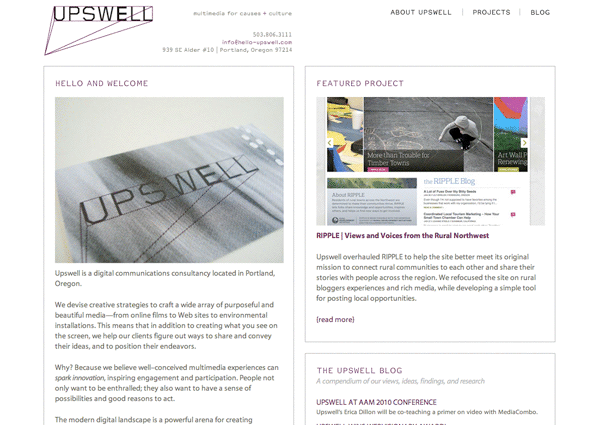
New website for Upswell, a digital communications agency based in Portland, Oregon. Erica and Armando are awesome to work with, visionary in allowing us to execute their website and identity as we saw fit while throwing down with some seriously helpful and thoughtful insight, and wonderful folks to chat with over wine and small plates.
A serious thank you to both of them, as well as to Thien, the latest member of our team (and all-around super-rad friend) for making their site come to life.
Rad folks to work with + rad folks to work for = total amazingness!
05.26.2010
May 26, 2010
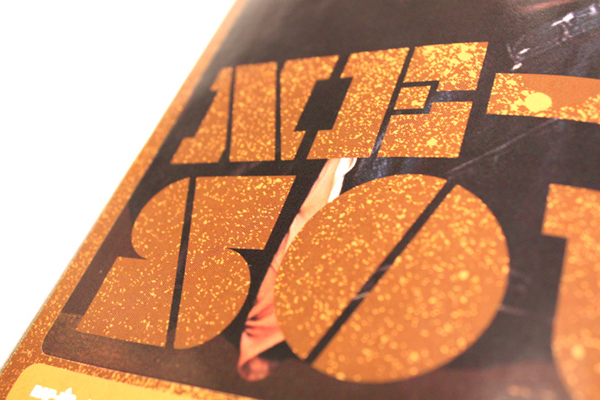
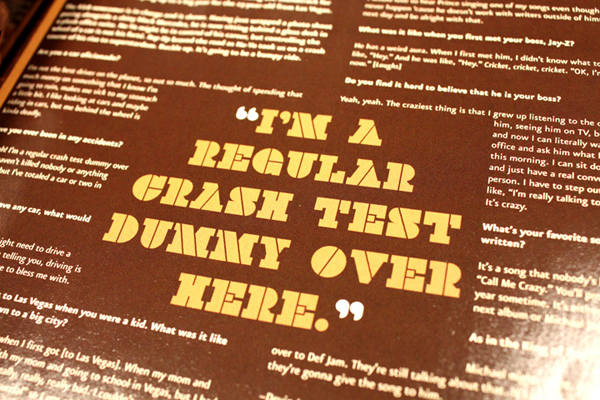
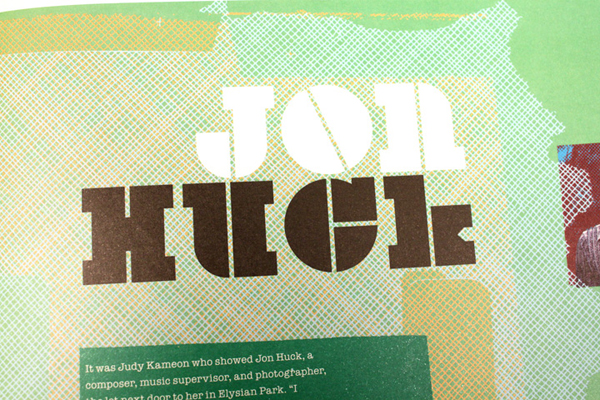
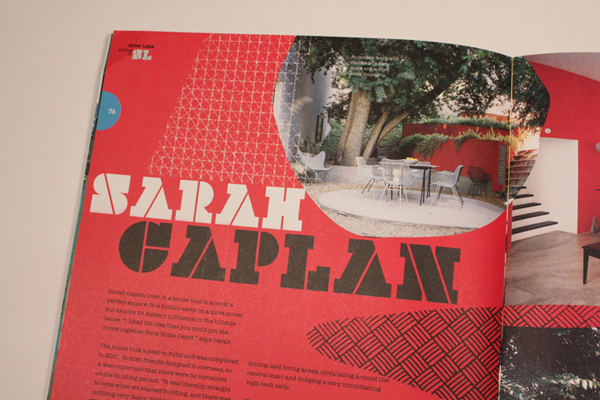
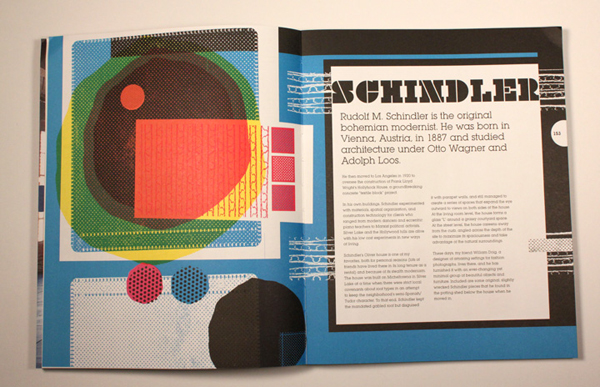
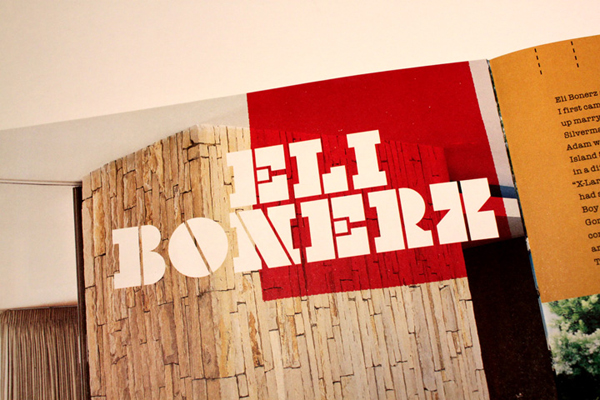
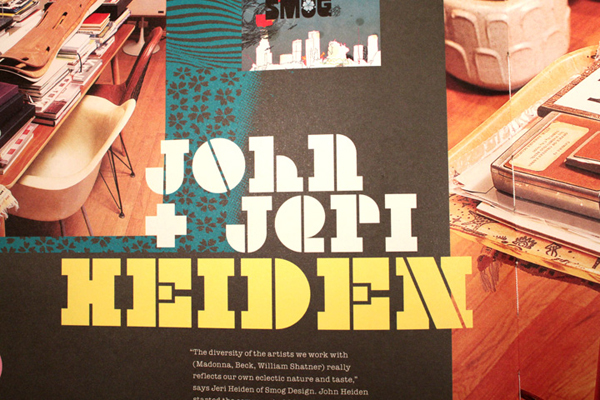
Wordshape, my type foundry, has just released a new font – Black-Out Stencil, a typeface designed by L.A. resident and designer extraordinaire, Eli Carrico.
Black–Out is a result of three things: the need for a distinctive ultra-black display typeface, an admiration for slab-serifs and Clarendons, and the love of systematic stencil type. Fusing all the desires together resulted in Black–Out.
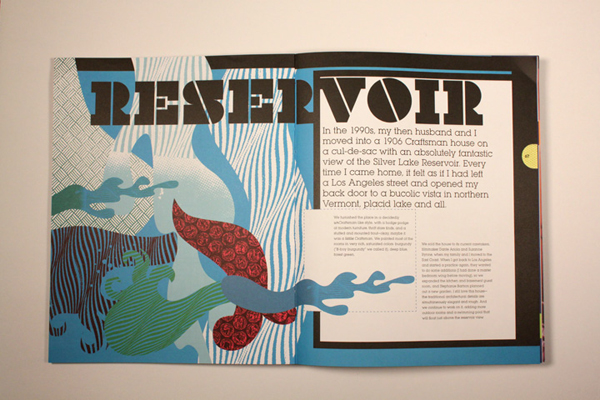
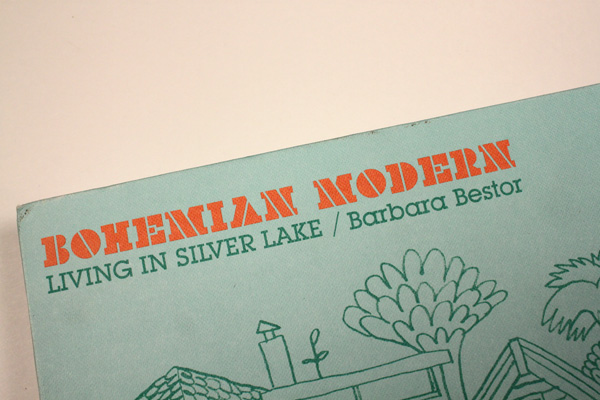
Black-Out was used for the cover and interior of the Barbara Bestor book, Bohemian Modern, designed by Eli and Michael Worthington a few years ago over at Counterspace, a stunning book about L.A. architecture and interiors. Since then, it’s seen super-limited use by a select few folks, but Eli decided (with a little prodding) that the time was nigh for public release.
Available now via Wordshape/MyFonts!
05.19.2010
May 19, 2010

A few years ago, some of my design work went into the permanent collection in MoMA, which was a huge step in terms of creative legitimation for me on a personal level. Fairly recently, a large body of my work went into the permanent collection of the Newberry Library in Chicago (due utterly to the interest of Paul F. Gehl, curator extraordinaire), holders of great collections of some of my heroes, namely Oz Cooper and Will Dwiggins.
I am really excited to have my work be part of an officially documented continuum of American graphic design in such a prestigious institution. It happened casually and with zero pomp and circumstance, though inside I was jumping up and down with excitement.
Giant thanks to Paul and the amazing staff at the Newberry. You are my favorite library in the world. Machida’s doesn’t touch you with a long stick.
05.19.2010
May 19, 2010
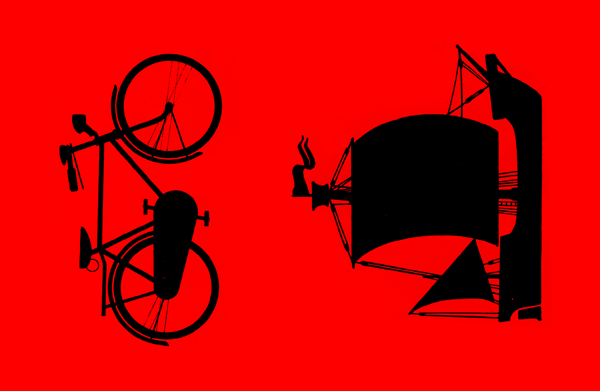
Over at Néojaponisme, we’ve been doing some fun stuff for Infiniti as of late.
05.15.2010
May 15, 2010
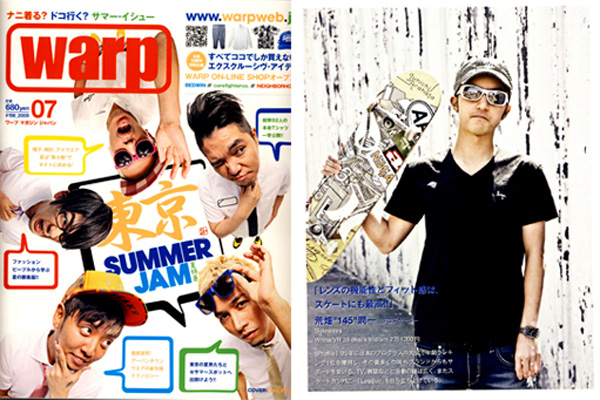
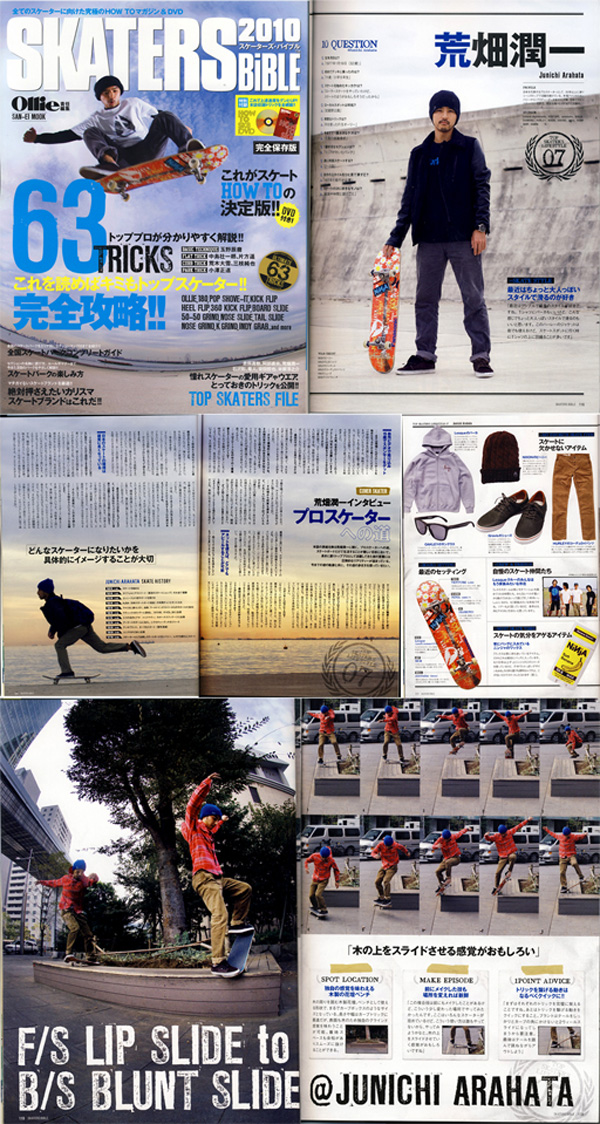
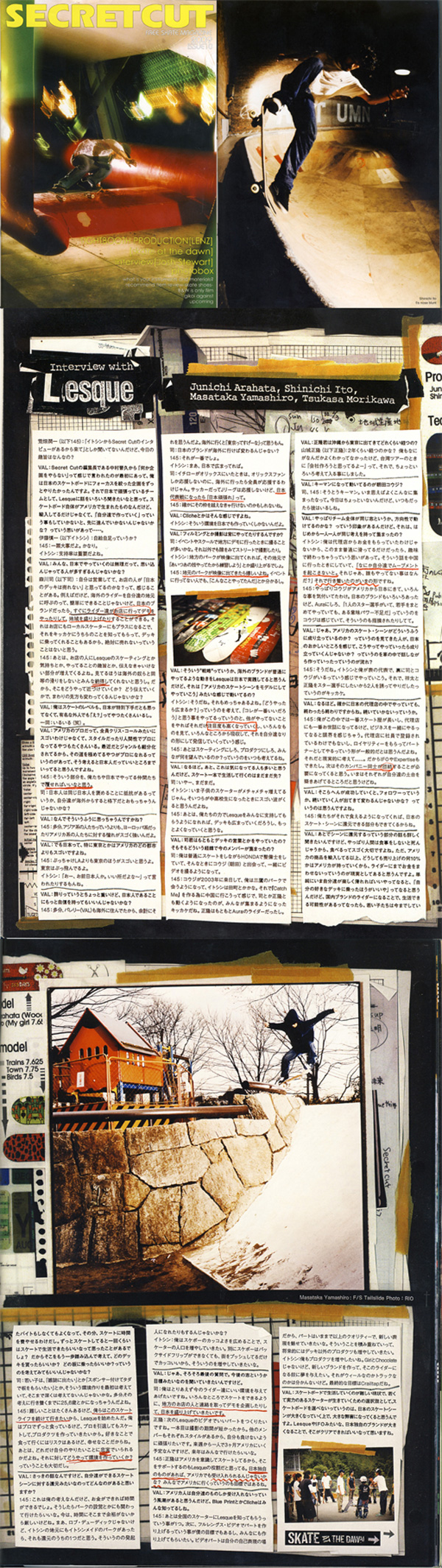
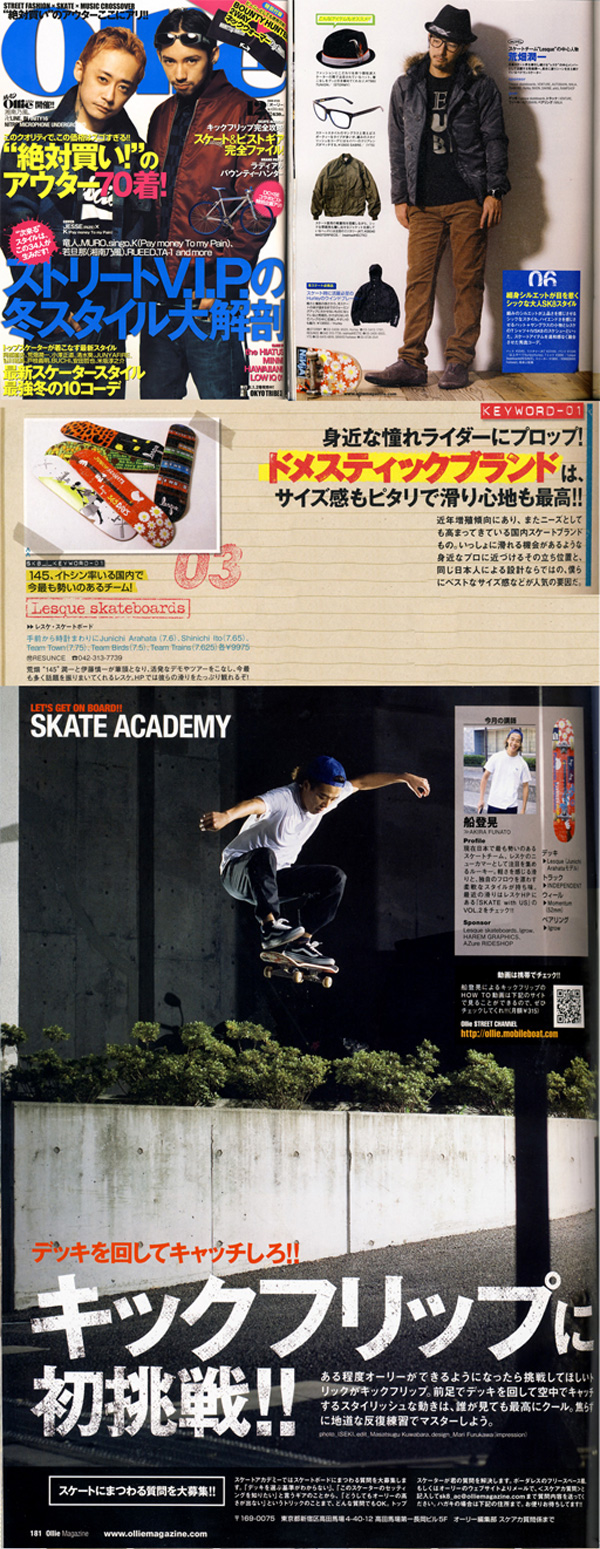
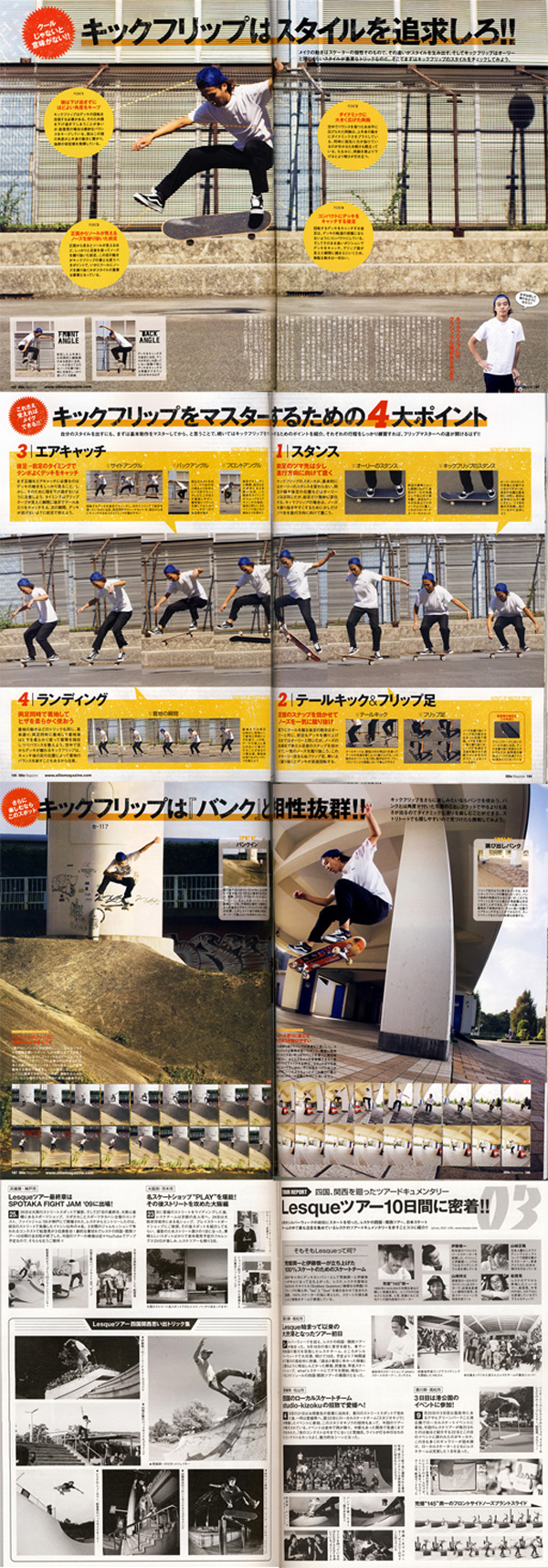
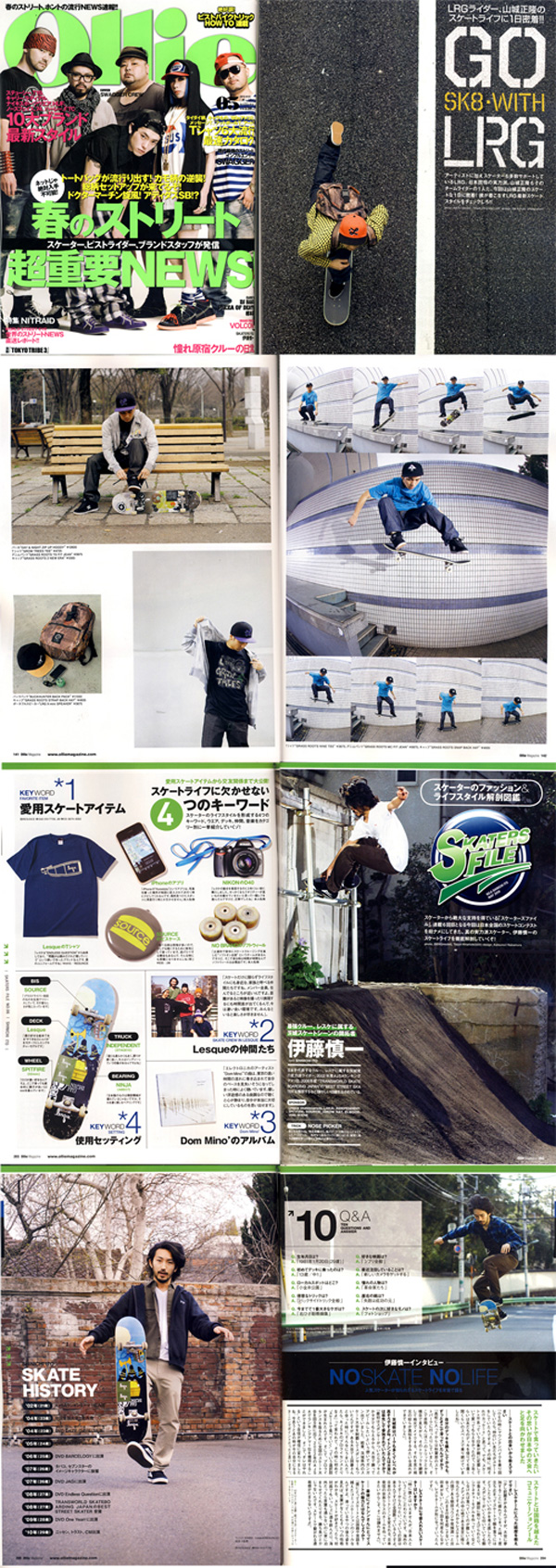
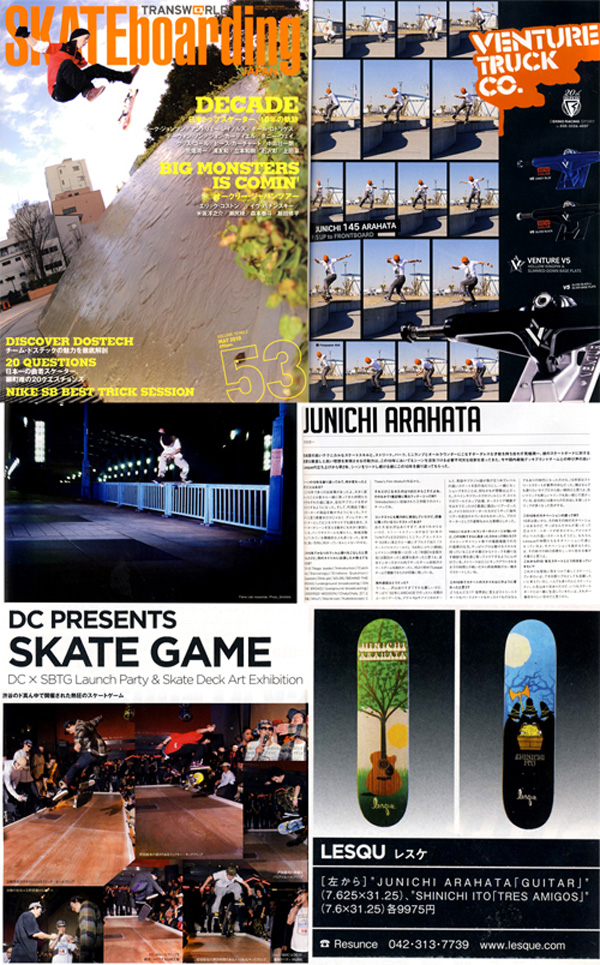
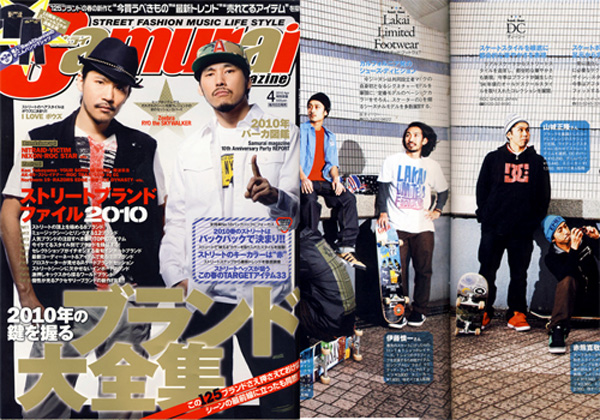
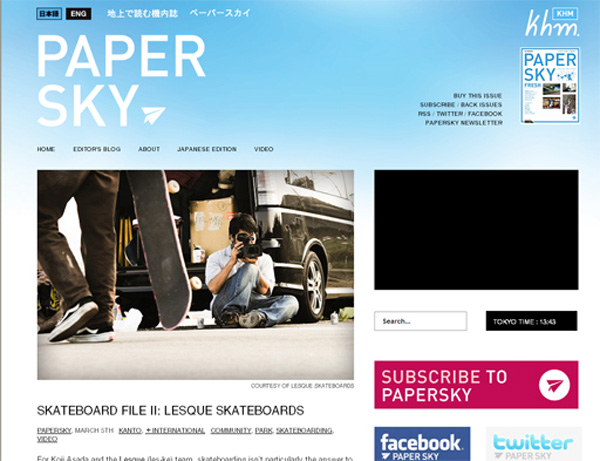
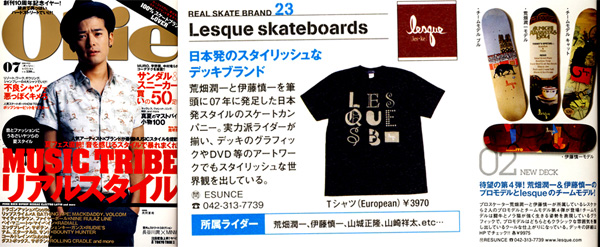
Lesque has been getting a whole lot of love as of late in the press- features in Japanese magazines like Ollie, Warp, Secret Cut, Transworld Skateboarding, Paper Sky, Samurai, and the Skater’s 2010 Bible.